 Skip to content
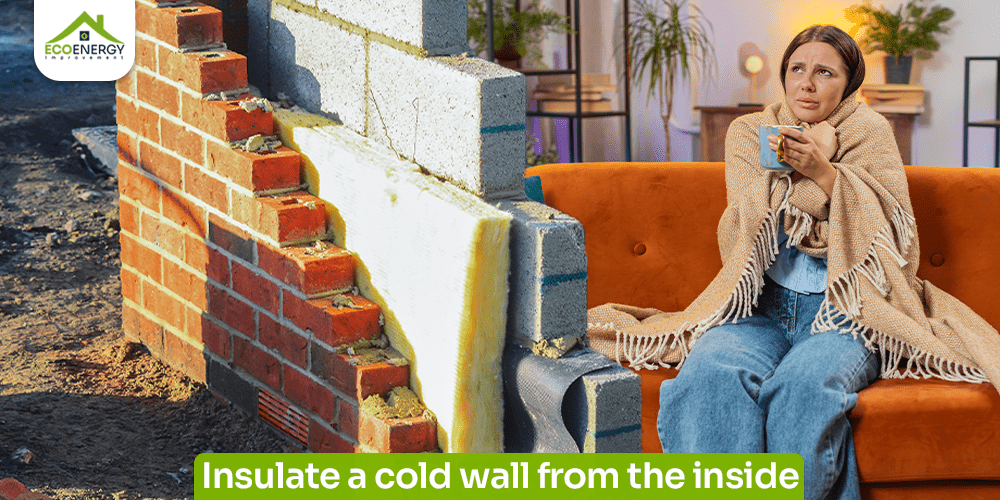
A wall in your house that is cold can be more than just a source of discomfort; it could also be an indication of inadequate insulation, the escape of heat, or the presence of moisture concerns. For a lot of homeowners, the solution is to insulate the walls on the interior of the house. This not only maintains a warmer temperature within the home but also reduces the amount of money spent on electricity. This lesson will explain to you why walls become chilly, the most effective methods for insulating them, the amount of money it will cost you, what the regulations are, and how to carry out the process step by step.
Why Walls Become Cold in Homes
If heat continues to escape through walls, they might become noticeably cold to the touch. Solid walls, rather than hollow walls, are typically seen in older homes, particularly those that were constructed before the 1920s. As a result of this, they are less capable of conserving energy. This issue can also occur as a result of poor ventilation, heating systems that are not functioning properly, or moisture sneaking in. Selecting the best method to insulate a wall will be easier if you know exactly why it is cold.
Signs Your Wall Needs Insulation
- Even when the heat is on, rooms feel cold.
- High energy bills without any extra comfort
- Mould or damp spots growing on cold surfaces
- Condensation builds up, especially in the winter
- There are noticeable draughts near the outside walls.
Benefits of Cold Wall Insulation
Using insulation within an internal wall has various advantages:
- Utility bills go down as a result of less heat loss.
- Warmer rooms feel cosier for longer.
- Reduce the likelihood of mould formation by keeping surfaces warm.
- Is able to increase the value of your home by raising its energy performance certificate (EPC) rating.
- Insulation from the outside is typically more expensive.
ECO4 Scheme Eligibility
“100% Free Check – No Hidden Fees”
Different Types of Internal Wall Insulation
- Insulated Plasterboard
A simple method for attaching plasterboard with insulation directly to the wall is as follows. It is an excellent solution for tiny locations because it allows one to save space.
- Stud Wall with Insulation
A wall is built with a wooden or metal frame and filled with stiff insulation or mineral wool. This works well for keeping heat in, yet it takes up less space in the room.
- Rigid Foam Boards
Insulation boards that are lightweight, have been cut to the appropriate size, and have been affixed to the wall. They are a great option for do-it-yourself projects and provide excellent insulation.
- Spray Foam Insulation
Foam that does not let any air through can be created by spraying it against a wall, where it will expand. It functions, but in many cases, an expert is required to configure it.
- Internal Insulation Systems (IWI)
These are prefabricated systems that come complete with vapour control layers, insulation, and plasterboard. They are ideal for complete and thorough renovations.
Choosing the Right Insulation
The type of insulation for a cold wall depends on how your home is built, how much space you have, and your budget. Insulated plasterboard is often the finest instantaneous and space-saving option because it can be easily mounted on the wall. Stud wall systems with mineral wool or rigid boards are great for thermal efficiency, but they make the room smaller. Spray foam is another airtight option, but it must be installed by a professional. Choose with moisture control, ventilation, and construction code compliance in mind. This will provide a comfortable investment and long-term energy savings.
Preparing the Wall Before Insulation
Before applying any type of insulation grant, it is necessary to inspect the wall’s condition. Any cracks, humidity concerns, or structural issues should be addressed. Moisture can get trapped behind moist wall insulation over time, causing damage to the walls. The surfaces need to be cleaned, dried, and treated before the insulation process can begin.
Step-by-Step Guide to Insulating a Cold Wall
Before beginning any repairs, a cold wall must be inspected for moisture, fractures, and structural problems. After the wall is done, the right insulation is put on it. Insulated plasterboards, rigid foam boards, and stud walls that have been insulated are some examples. It is very important to seal all seams and edges so that heat doesn’t escape. A vapour barrier can also help keep moisture out. Plaster, paint, or wallpaper should be used to finish the surface so that it looks clean and lasts a long time. Just follow these steps, and your icy wall will be transformed into a warm, energy-efficient barrier.
Cost of Internal Wall Insulation
Insulating a cold wall from the inside costs depend on the property size, materials, and whether you hire professionals or do it yourself. The average square metre cost is £40–£90. So, a single room can cost £800 to £1,500, while a whole house can cost £4,000 to £12,000. Insulating homes from the inside can save families £200 to £450 on their annual energy bills, making the investment worthwhile. If installed properly, insulation can last for decades, making it an investment in your comfort and home value that will pay off over time.
Energy Savings and Payback Time
If the inside walls of a residence are insulated, the amount of money that can be saved on heating bills ranges from an average of £200 to £450 per year. However, the amount of money saved depends on the size of the residence and the quality of the insulation. Due to the fact that the average time required for recouping the initial amount of money invested is between five and ten years, it is a worthwhile investment for the future.
Common Mistakes to Avoid
- Putting insulation over walls that are wet or mouldy
- Leaving holes that aren’t sealed, which causes thermal bridging
- Using materials that don’t fulfil building codes
- Not paying attention to ventilation, which causes condensation issues
- Using cheap materials to save time
Building Regulations and Legal Requirements (UK)
You are required to adhere to Building Regulations Part L for energy efficiency if you are insulating more than twenty-five per cent of a wall. Professional installers will verify that everything is in accordance with the law, but individuals who wish to install the system themselves ought to verify with their local authorities.
Alternative Solutions to Cold Walls
You can still make things more comfortable even if you can’t fully insulate:
- Paint or wallpaper that keeps heat in.
- Heavy curtains and wall art.
- Secondary glazing for windows that are close together.
- Better control over heating and ventilation.
Is Internal Wall Insulation Worth It?
Yes, this is true for the majority of residences that have walls that are either solid or that are not well insulated. It does take up a little bit of space, but because of the savings on costs, the added comfort, and the higher property value, it is considered one of the greatest energy-efficient renovations.
FAQs
Can I insulate the walls within myself?
Yes, with firm foam boards or plasterboard. But hiring a professional to do the job will guarantee better outcomes and compliance with the rules.
How long does it take to install?
Insulating one wall can take one to two days, while insulating the whole house can take one to two weeks.
Will it get rid of mould?
It helps get rid of mould that grows because of condensation, but you need to repair rising damp or leaks first.
How thick should the insulation be?
Usually between 50 and 100 mm, but this depends on the material and the rules for building.
Does it change the size of the room?
Yes, a little bit. Insulated plasterboard takes up less area than stud walls.


