 Skip to content
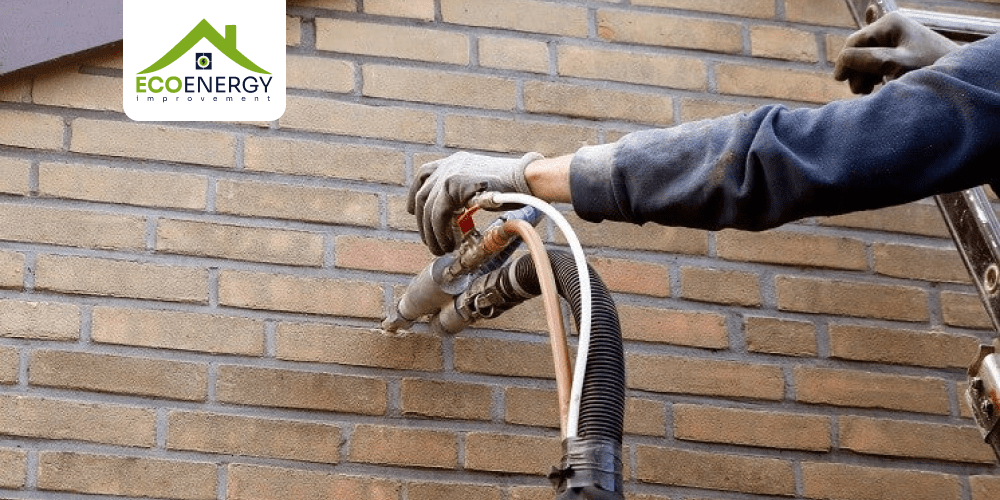
Insulating the cavity walls of your home is a surefire way to make your home more energy-efficient and save money on your monthly expenses for heating. Insulating material is placed in the area between two external walls in order for it to function properly. The result is a barrier that keeps heat from escaping. People are able to reduce the amount of money they spend on their monthly energy bills and make their homes more comfortable by implementing this method. Nevertheless, people frequently wonder how long this insulation will continue to be effective throughout the course of time. If you are aware of how long it will continue to function, you will be better able to plan for future maintenance and improvements.
Why Homeowners Choose Cavity Wall Insulation
Due to the fact that it reduces the amount of energy used over time and makes the interior of the home more comfortable, cavity wall insulation grants are a popular choice for many homes. Through the process of retaining heat, it helps to keep your home warmer during the winter and cooler during the summer. It is also excellent for the environment because it minimises the amount of carbon that is released when energy is used. In addition, cavity wall insulation is a fantastic option because it does not cost as much as other home improvements. The combination of these characteristics makes it one of the most often used methods in the United Kingdom for making warm homes more energy-efficient.
How Long Does Cavity Wall Insulation Typically Last?
Depending on the materials that were used and the degree to which it was put in correctly, cavity wall insulation, which is energy saving, can last anywhere from twenty to twenty-five years. When the conditions are perfect, certain kinds of insulation are designed to survive for the same amount of time as the building itself. To give you an idea of how long their products will endure, most manufacturers offer warranties that are at least 20 years long. The longevity can be reduced, nevertheless, by environmental factors including weather, wetness, or settlement. Homeowners can set realistic expectations by understanding how long it typically lasts.
Factors That Influence the Lifespan of Insulation
- Kind of material (beads, foam, wool, etc.) used.
- Quality of installation, like bad work, can lead to early failure.
- Things in the environment, like rain, wind, or humidity.
- The building’s natural settlement.
- Maintenance and cleaning for the whole house.
Different Types of Cavity Wall Insulation Materials
- Mineral Wool Insulation
- Made from processed glass or rock fibres.
- Great for keeping heat in and sound out.
- Fireproof and adds an extra layer of safety.
- Naturally resistant to moisture, which lowers the chance of dampness.
- With the right installation, it can last 25 years or more.
- Polystyrene Beads (Bead Insulation)
- Small, light beads were put into the cavity.
- They spread evenly, filling gaps and preventing air movement.
- Good at keeping heat in and controlling condensation.
- If not installed with adhesive, it might sometimes move.
- Generally strong, but needs to be installed by a professional for long-term stability.
- Foam Insulation (Urea Formaldehyde or Modern Foams)
- The expanding foam fills in all the crevices and seals the hole tightly.
- It is better at keeping heat in than other materials.
- Very good at stopping air from leaking and drafts.
- Costs more than wool or beads but lasts longer.
- Great for older homes with holes that are hard to fix or aren’t even.
ECO4 Scheme Eligibility
“100% Free Check – No Hidden Fees”
Average lifespan of cavity wall insulation
Mineral wool has the potential to sustain itself for at least 25 years if it is put in correctly. There is a possibility that polystyrene beads will survive as long, but if they are not connected firmly, they may slide about. Insulation grant made of foam typically has the longest lifespan and performs the best, despite the fact that it may be more expensive. Over the course of time, natural settlement may cause things to become less effective, particularly in established constructions. When homeowners compare the length of time that each material lasts, they are better able to choose which material is worth their money.
The Role of Professional Installation in Durability
The quality of the installation is one of the most important factors that go into determining how long insulation will be effective. Installers who have received certification ensure that the material is distributed uniformly and that it is sealed properly to prevent any regions from becoming cold. It is possible for the operation to leave holes, cause the insulation to become damp, or deteriorate prematurely if it is performed too rapidly or is performed poorly. Guarantees that are valid for decades are often provided by dependable service providers the majority of the time. Therefore, selecting the appropriate insulation material is just as important as employing a team of qualified installation professionals.
How does weather and climate impact cavity wall insulation?
The weather in the area where your home is located can have a significant impact on the amount of time that insulation remains effective. Homes that are located close to the water may be subjected to high levels of humidity and salt, both of which can reduce the effectiveness of insulation and improve green energy. In a similar manner, locations that receive a significant amount of precipitation may have moist penetration damage to the material. In addition, extremely cold winters can put the effectiveness of insulation grants to the test by causing walls to expand and contract. Taking care of your walls and ensuring that they are resistant to the elements will be of great assistance in mitigating these hazards.
Common Problems That Reduce Insulation Effectiveness
- Moisture and dampness damage make thermal efficiency worse.
- Settlement makes cold spots and gaps.
- Mould growth induced by moisture that gets stuck.
- Pests can damage materials.
- Bad ventilation makes insulation problems worse.
Signs That Your Cavity Wall Insulation Needs Replacing
- Energy bills going up without any modifications to your life.
- Cold spots or draughts inside the house.
- Heating that isn’t even in all the rooms.
- Problems with damp walls, mould, or condensation.
- You should check insulation that is more than 25 years old.
Can Cavity Wall Insulation Last a Lifetime?
If it stays dry and undisturbed, cavity wall insulation grants should last as long as your warm home. But in real life, outside factors often make it less useful for a shorter time. Over time, homes naturally settle, materials may move, and moisture may get in. Most guarantees only last for 20 to 25 years; however, insulation that is placed correctly can last considerably longer. Homeowners should plan to check on it every so often to make sure it’s working right.
How to Extend the Life of Your Insulation
If you want your insulation to last longer, the first thing you need to do is ensure that it is installed properly and that your house is in good condition. It is imperative that you check the condition of your outside walls and ensure that they are free of any cracks or leaks. Every so often, especially after a big rainstorm, make sure to look for mould or water damage. Another benefit of keeping pipes and drains clean is that it keeps walls from getting water damage. Taking these steps will greatly increase the length of time your insulation lasts.
The Environmental Benefits of Long-Lasting Insulation
When it comes to reducing carbon emissions, cavity wall insulation that is long-lasting is a significant benefit. The heat is prevented from leaving, which results in a reduction in the amount of energy that is required to heat or cool your home. This reduces the amount of fossil fuels that are required, which in turn helps to protect the environment. Additionally, homes that are more energy-efficient typically receive higher scores on their green energy Performance Certificates (EPC). Choosing insulation that has a longer lifespan not only helps you save money, but it also contributes to the preservation of the environment.
Government Schemes and Guarantees for Insulation
Through initiatives such as ECO4, the government of the United Kingdom provides financial assistance to householders in order to purchase insulation upgrades. With the fact that many insulation solutions come with guarantees that may last for up to 25 years, you can rest assured that they will protect you for a considerable amount of time. The homeowners are able to feel confident about their investment thanks to these plans and assurances. Individuals who are eligible for government grants may be able to significantly reduce the costs associated with installation. Ensure that you check to see whether you are eligible for any grants before you begin the process of insulating your home.
Professional Inspection and Maintenance Tips
- Set up inspections every couple of years.
- Experts examine for cracks, dampness, or settling.
- Early repairs might stop the need for a full replacement.
- Take care of your gutters, walls, and drainage systems.
- Small things can help keep insulation working.
FAQs
How long does insulation in your cavity walls last?
Most cavity wall insulation lasts between 20 and 25 years, but some materials can last much longer if they are placed and cared for properly.
Can cavity wall insulation lead to problems with dampness?
Even though insulation doesn’t make dampness, it can get in if it’s not put in correctly or if the outside walls are damaged.
Is it feasible to remove the existing insulation from the cavity walls?
Removing and replacing old, wet, or solid insulation is well within the capabilities of trained experts.
After 25 years, should I get new insulation?
Not all the time. If your insulation is still working well and you aren’t having problems like cold spots or higher bills, you might not need to fix it.
Is there any money available to fix the insulation in the cavity walls?
In fact, initiatives like ECO4 in the UK may assist paying for or covering upgrades to home insulation, especially for families with modest incomes or homes that are older.


