 Skip to content
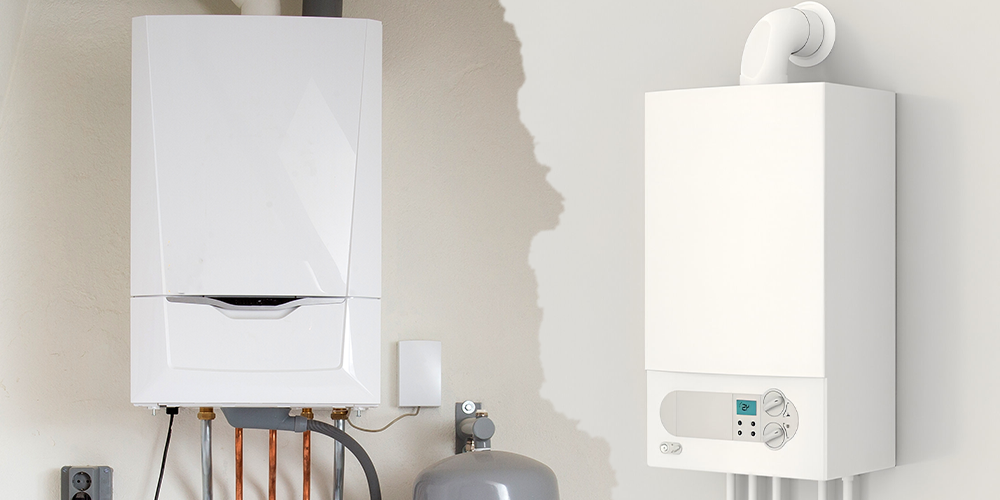
The type of boiler you choose from the free boiler grant will directly affect how much money you spend on heating your home, which is a big part of your overall energy bills. Gas and electric boilers are the two most prevalent types of boilers used to heat homes in the UK. There is a price for each one. Homeowners who want to lower their long-term energy bills need to know how much it costs to run, maintain, and build their energy systems in the ECO4 scheme.
Why Compare Electric and Gas Boilers?
Many people find it difficult to choose between gas and electric boilers, especially when energy prices fluctuate. Gas has traditionally been the most cost-effective choice, despite the fact that electricity is frequently thought to be more efficient. When homeowners compare the two options based on criteria other than price, they may be able to make better judgements. They can also examine their efficiency, carbon footprint, and future functionality in the event of changes in energy legislation.
How Do Electric Boilers Work?
In the same way as an electric kettle operates, electric boilers heat water by utilising electrical resistance. Due to the fact that they do not require flues, gas lines, or combustion processes, they are able to be installed quickly and are relatively tiny. However, due to the fact that they require power in order to function, their operating expenses are directly proportional to the unit rates of electricity, which are typically greater than the prices of gasoline.
How Do Gas Boilers Work?
Water is heated by gas boilers, which are powered by natural gas. The heated water is then sent to radiators and faucets. It is necessary for them to be linked to the gas grid, to have a flue for exhaust gases, and to undergo routine maintenance in order for them to function in a secure manner. There is a possibility that gas boilers are not as efficient as electric boilers and require more maintenance. However, gas boilers are often less expensive to operate because gas is less expensive.
ECO4 Scheme Eligibility
“100% Free Check – No Hidden Fees”
Initial Purchase and Installation Costs
Electric boilers are usually less expensive than gas boilers in the ECO4 scheme since they are easier to install and do not require gas pipes or flues. Gas boiler installation, on the other hand, is more challenging and often requires a higher initial investment. As a result, the initial investment is only one factor to consider when making a selection, as the price difference is typically offset by the costs of running the business over time.
Fuel Prices: Electricity vs. Gas
The cost of one kilowatt-hour of electricity is often two to three times more than the cost of one kilowatt-hour of gasoline. Consequently, despite the fact that electric boilers are extremely efficient, it is possible that their operating costs will quickly surpass those of gas boilers to a greater extent. Gas continues to be the most cost-effective fuel for the majority of homes; however, this may shift in the future due to fluctuations in green energy prices and the implementation of new legislation.
Efficiency Ratings of Electric Boilers
Due to the fact that they convert practically all of the green energy that they use into heat, electric boilers are nearly flawless in terms of efficiency. Flues and exhaust gases do not waste energy, which is one reason why residences that are concerned about the environment would prefer to have them. In spite of the fact that this high efficiency helps to compensate for a portion of the increased power costs, the discrepancies in fuel prices continue to be the primary reason for the total increase in expenses.
Efficiency Ratings of Gas Boilers
Gas boilers that use condensing technology can attain an efficiency of roughly 90–94% in today’s market. Although the efficiency of this boiler is lower than that of electric boilers, it is still one of the most competitive versions available in comparison to earlier generations. However, unlike electric boilers, gas boilers will never be able to achieve the same level of efficiency as electric boilers. This is due to the fact that some energy is wasted during the combustion process and the creation of flue gases. So we need to improve our chance to get energy-saving grants.
Average Running Costs of Electric Boilers
Because of the high cost of electricity, the typical home in the United Kingdom may incur much higher costs while operating an electric boiler. Especially during the winter months, when they require extra heat, homeowners should prepare themselves for an increase in their annual costs. With the exception of when they are used in conjunction with renewable energy sources such as solar panels, electric boilers are typically not the most cost-effective solution for long-term heating.
Average Running Costs of Gas Boilers
Natural gas is less expensive per kilowatt-hour, which is why gas boilers often have lower operating costs. As a result of this, they are the most often used method of heating homes in the United Kingdom. Even though they are not as efficient as electric boilers, the fuel prices are so low that families and large households are typically able to handle their expenses considerably better. This is because the fuel costs are generally lower.
Seasonal Impact on Running Costs
How much it costs to operate a boiler varies according to the time of year. During the winter months, there is a significantly increased need for heating, which can have a significant impact on individuals who make use of electric boilers due to the high cost of electricity. Gas boilers are less expensive to operate, which means that their monthly heating expenses are typically more predictable and less expensive throughout the entire year.
Maintenance and Servicing Costs
As a result of the fact that they do not have a great deal of moving parts, electric boilers are less expensive and simpler to maintain. The cost of servicing them is lower than that of other types of boilers since they do not require annual gas safety tests or flue inspections. Gas boilers, on the other hand, require maintenance once a year in order to remain risk-free and to function properly. This adds to the overall cost of ownership over the course of the boiler’s lifetime.
Lifespan of Electric vs. Gas Boilers
Although gas boilers have the potential to survive for ten to fifteen years, they require more care than electric boilers, which can continue for ten to fifteen years without requiring any maintenance. Electric systems, on the other hand, often have a lower risk of malfunctioning due to the fact that they have fewer moving parts. When calculating costs, it is important to take into consideration how long something will continue to function.
Carbon Footprint and Environmental Impact
Electric boilers are better for the environment whenever they are powered by renewable electricity because they do not generate any emissions at the location where they are used. On the other hand, gas boilers emit carbon dioxide and other pollutants while they burn, which is detrimental to the environment. Gas boilers contain a number of contaminants. As the United Kingdom draws closer to achieving its net-zero energy goals, electric boilers may become more enticing in the long run.
Which Boiler is Cheaper for Small Homes?
It is possible that electric boilers are a fantastic deal for apartments or small residences that do not require a significant amount of heat. The fact that they are compact, simple to set up, and do not require a great deal of maintenance makes them an excellent choice for tiny homes. On the other hand, high power bills continue to be a problem, particularly if you make frequent use of the heater.
Which Boiler is Better for Large Homes?
Because they are able to meet higher heating requirements while requiring less money to operate, gas boilers are often more cost-effective than other types of boilers for larger homes. This is because gas boilers cost less money to operate. Gas boilers are a better alternative for large families than other types of boilers when it comes to cost because natural gas boilers are often less expensive than other types of free boiler grants. However, gas boilers require more maintenance.
Future Energy Price Trends: What to Expect
There is a lot of uncertainty around the prices of energy, but it appears that over the course of time, the price of gasoline might not be as low as it has been in the past. Prices of gasoline might increase as a result of taxes or regulations imposed by governments in an effort to encourage consumers to utilise cleaner energy. There is also the possibility that the increasing utilisation of renewable energy sources will eventually result in a decrease in the cost of power, which will result in a change in the cost equation in the future.
Pros and Cons of Electric Boilers
Electric boilers are compact, simple to set up, incredibly efficient, and beneficial for the environment when they run on renewable energy. They continue to have a significant issue, however, which is that they are extremely expensive to operate due to the high cost of power. It is possible that they will not function well in larger homes that require a great deal of heat.
Pros and Cons of Gas Boilers
Gas boilers are easy to locate all around the United Kingdom, have a low cost of operation, and are functional for large families. On the other hand, they have higher customer service requirements, they produce carbon emissions, and they might be subject to restrictions in the future as a result of efforts to reduce carbon emissions. Due to these factors, they are not a future-proof alternative but rather a solution that is suitable for the short to medium term.
FAQs
Which is cheaper to run, a gas or electric boiler?
Because natural gas costs less per kWh than electricity, gas boilers are cheaper to run. Electric boilers are more efficient, but most families can’t afford them since electricity is so expensive.
Do electric boilers save money over time?
Electric boilers can save money on installation and maintenance, but not running costs unless you employ renewable energy sources like solar panels. Small families that don’t need much heat should use them.
How long do electric and gas boilers last?
Both boiler models last 10–15 years. Since electric boilers have fewer moving parts, they last longer and require fewer repairs. Gas boilers, on the other hand, may need more regular maintenance.
Are electric heaters greener than gas?
Electric boilers produce no on-site pollutants, unlike gas boilers. The environmental impact of these choices depends on power generation. Compared to gas, renewable energy is far better for the environment.
Will the government pay for boilers?
Most government initiatives upgrade to energy-efficient systems. Although direct running cost assistance is rare, some homeowners may qualify for subsidies to partially pay for greener heating systems.


