 Skip to content
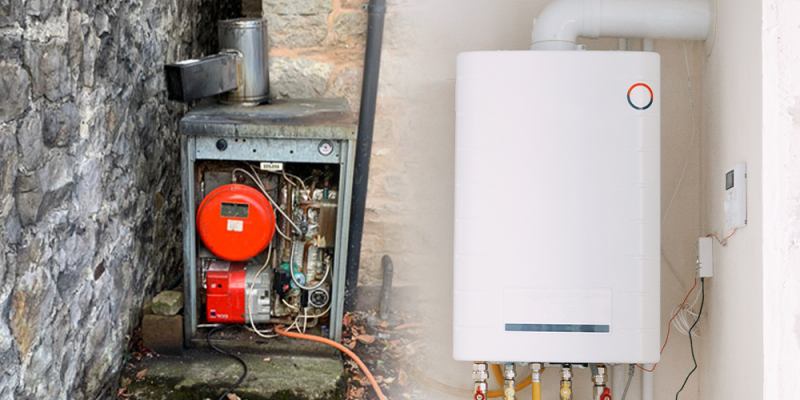
Many homes in the UK still use outdated oil boilers to heat their houses, but these systems are getting less efficient and more expensive every year. Oil prices are unpredictable, and ageing boilers frequently waste a significant amount of fuel. The government has launched programmes such as the ECO4 Scheme to assist with this. This initiative provides funding to anyone who wants to replace ageing oil boilers with new, environmentally friendly heating systems.
In this post, we’ll discuss why it’s so important to replace an oil boiler, how the programme works, who may participate, and what benefits you can expect.
What is the old oil boiler replacement scheme?
Part of the ECO4 Government Initiative
The oil boiler replacement scheme is part of the Energy Company Obligation (ECO4), which says that energy providers must pay for renovations that make UK households more energy-efficient.
The purpose of this scheme
Its major goal is to help families save money on heating, cut down on carbon emissions, and make their homes warmer and healthier.
Why should you replace your old oil boiler?
High oil prices
Oil is one of the priciest ways to heat your home, and prices fluctuate due to the global market. This could make it challenging for families who are already having trouble paying their bills to keep track of them.
Poor Energy Efficiency
Older oil heaters only work at about 60–70% efficiency, which means they waste a lot of fuel. Modern options, like heat pumps, can be more than 300% more efficient, which means lower operating expenses.
Higher Emissions of Carbon
Because they give off a lot of CO₂, oil heating systems are some of the most dangerous. The UK wants to be net zero by 2050. You can help them reach their goal by changing them with eco-friendly options. Your carbon impact will go down.
Expensive Maintenance and Mechanical Issues
Boilers need to be serviced and fixed more often as they get older. Furthermore, parts for repairing oil boilers can be pricey, so it’s better to buy a new, more energy-efficient heating system.
What heating system can replace an oil boiler?
It will depend on your property and which fund you get.
- Air source heat pump
- Biomass boiler
- Hybrid systems
- High-efficiency gas boilers
Working of oil boiler
Oil boilers use oil to heat. This heat heats your house and provides hot water. First, fill an exterior oil tank that is attached to the boiler. For heating, oil is injected into the boiler and sprayed into the combustion chamber, which is ignited by an electric spark. The flame heats a boiler’s metal heat exchanger. Cold water absorbs heat from the pipes surrounding the heat exchanger, becoming hot. Radiators, underfloor heating, and direct tap and shower connections provide hot water throughout your home. Lastly, the waste oil from combustion is carefully vented through a flue system.
How does the replacement process work?
Step 1: Check eligibility
First check whether you are eligible for this grant or not.
Step 2: Apply online
Secondly, fill out all your details in our online application form.
Step 3: Quick home survey
If you meet the qualifying requirements, our team will inspect your property within 2-3 working days.
Step 4: Free instalment
You will enjoy your newly installed boiler within 7 days.
Who can apply for the oil boiler scheme?
- Homeowners and renters
You can qualify whether you own your home or rent it out. You need the landlord’s consent to rent.
- Requirements for EPC Ratings
Your property must have a low energy performance score like D, E, F, and G. Usually, homes with EPC ratings of A–C do not qualify.
- Benefits that make you eligible
If you or someone in your home gets government help, you are more likely to qualify. This includes:
- Pension credit
- Universal credit
- Help with money
- Jobseeker’s allowance
- Employment and support allowance (ESA)
- Tax credit for children or working tax credit
- Housing help
ECO4 Scheme Eligibility
“100% Free Check – No Hidden Fees”
LA Flex: Local Authority Flexibility Route
You can still be eligible for LA Flex, which is a programme where local councils create their own guidelines to help low-income or vulnerable families, even if you don’t get benefits.
Heating options for oil boiler replacement scheme
Air Source Heat Pumps (ASHP)
- Take heat from the outside air and turn it into warmth within.
- Can cut a lot of heating.
- Work well when there is good insulation.
Biomass Boilers
- Instead of oil, use wood pellets or chips that can be used again.
- Give a lot of heat and hot water.
- When sourced sustainably, it doesn’t add to carbon emissions.
Gas Boilers with High Efficiency
- This is a common choice if your neighbourhood has a main gas supply.
- Less expensive than oil and much more effective.
Hybrid Systems
- Use renewable energy along with gas or electricity.
- This system is particularly useful for larger homes that require more heating.
Benefits of the oil boiler replacement scheme
- Low Energy Bills
Depending on the size of the house, switching from oil to a contemporary system can save families £400 to £800 a year.
- Less or no upfront cost
Most households that qualify get free installation, and energy companies pay for it.
- A good heating environment
Help the UK reach its climate goals by lowering the amount of carbon your home gives off.
- A warmer and more comfortable home
In the winter, your home will be more comfortable if the heat is uniformly distributed.
- More Valuable Property
A new, energy-efficient heating system makes your property more valuable and appealing to buyers.
Documentation you may need
- You may need letters or statements that provide proof of the benefits.
- The Energy Performance Certificate (EPC) indicates the current energy rating of your home.
- If you rent, you need proof of ownership (title documents) or a tenancy agreement.
FAQs
How can I tell if my oil boiler is not working well enough to qualify?
If your boiler is more than 15 years old, breaks down a lot, or has an energy efficiency rating of less than 85%, it probably qualifies for replacement under the program.
Can landlords sign up for the program for their tenants?
Yes. Private landlords can apply, but they need the tenant’s permission and must complete the requirements. This approach is excellent for increasing the property’s value and enhancing comfort.
What kind of heating system will I have instead of oil?
Yes, according to ECO4 laws, homes must first exceed minimal insulation criteria. This could be part of the funded improvements if your home needs insulation.
Is the plan available all throughout the UK?
The ECO4 program is available in England, Scotland, and Wales. People in Northern Ireland should look at local government programs because they have different ways to get money.


